

Pool Chemical Balancing in Lakeland: Keep Your Water Safe & Swim-Ready
In Lakeland, high heat and afternoon storms throw pool chemistry off balance fast, causing cloudy water and algae. As part of our pool cleaning work, we test all levels, adjust pH and chlorine, and restore safe swimming conditions in one visit.
Your family swims in clean, balanced water without skin irritation or equipment damage. We handle post-storm rebalancing, green water emergencies, and weekly maintenance so your pool stays party-ready year-round.
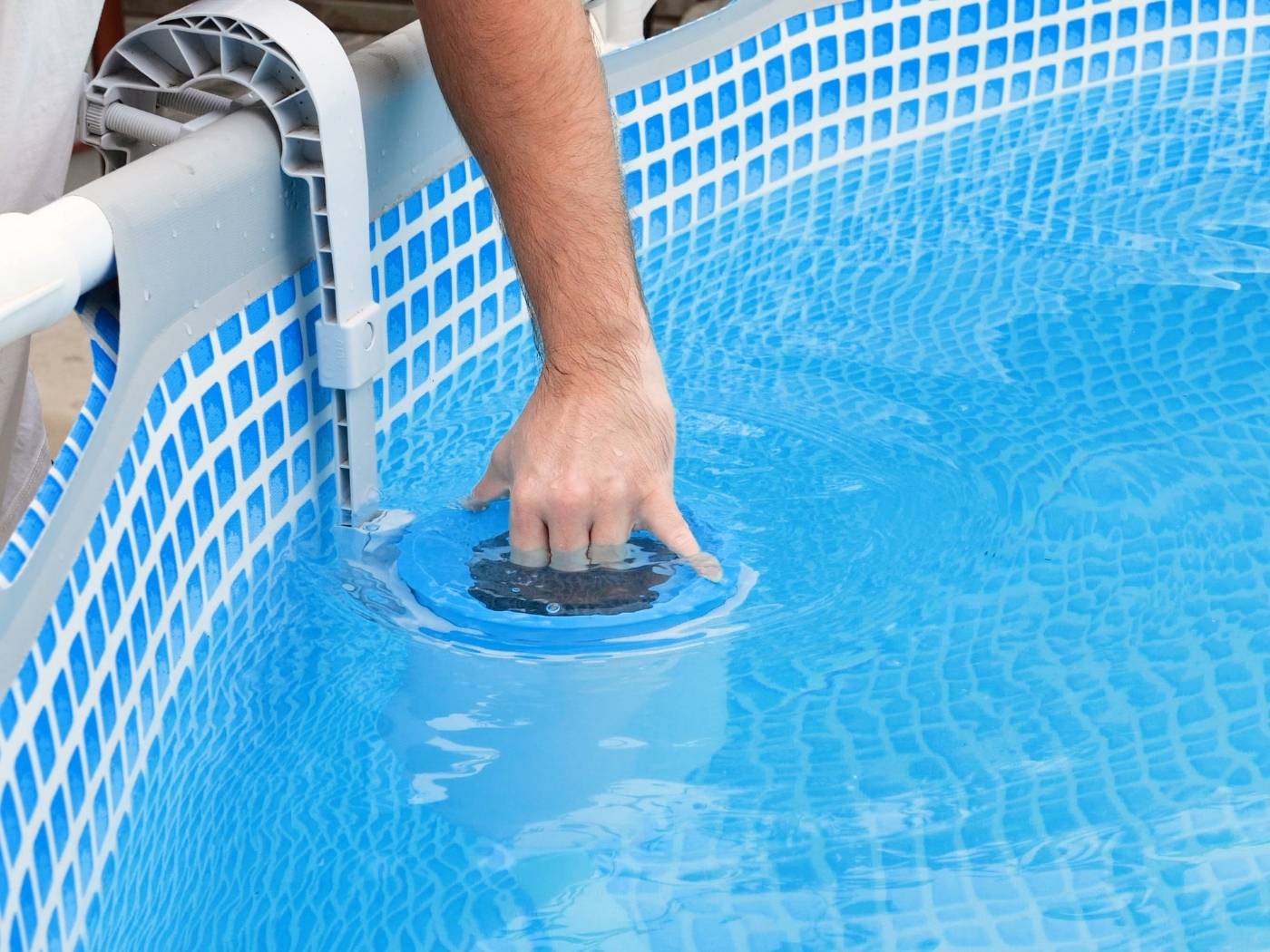
Professional Pool Chemical Testing Catches Hidden Imbalances in Lakeland
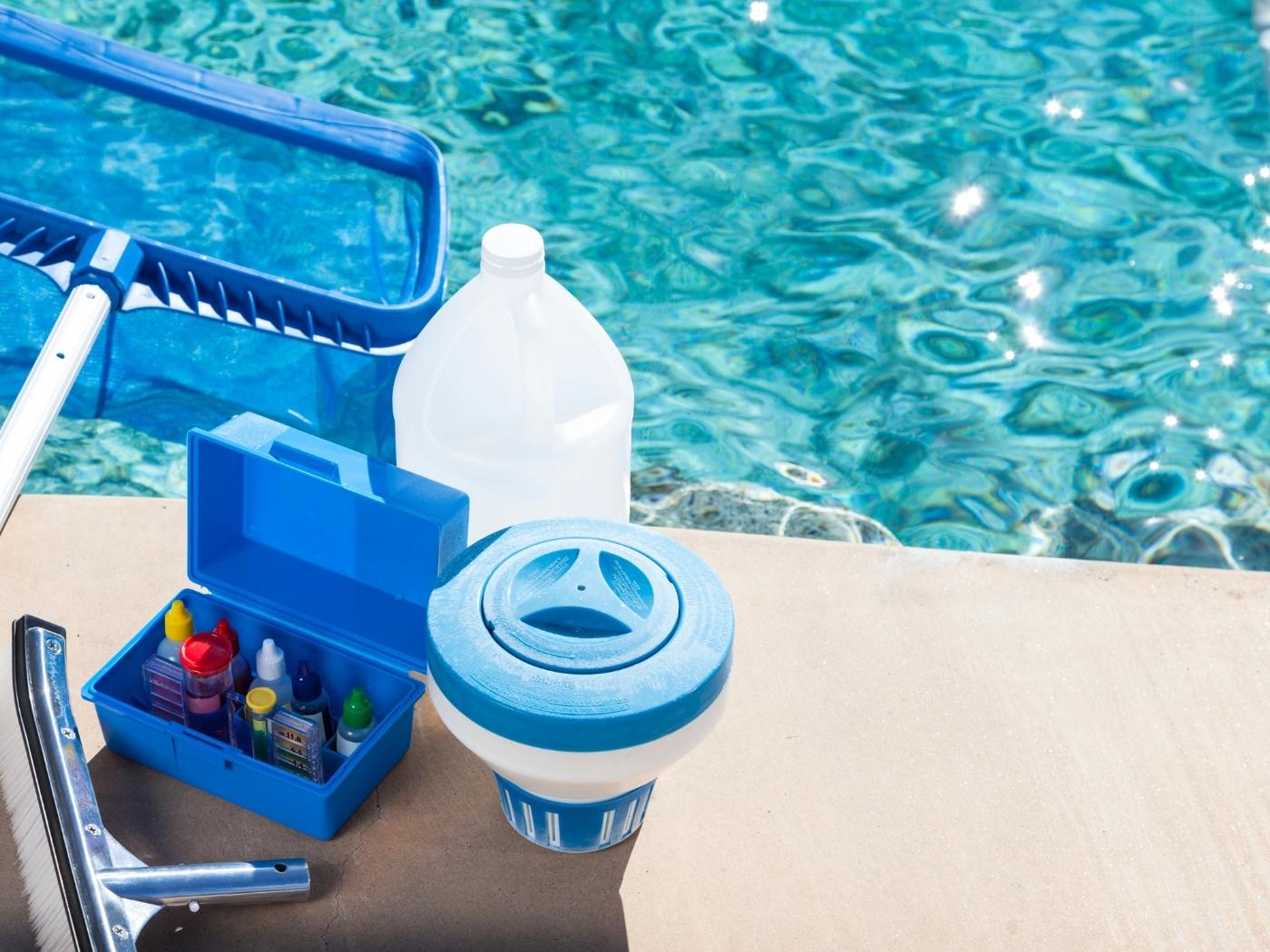
Homeowners in South Lakeland neighborhoods notice stinging eyes or cloudy water but don't know which chemical is off. Store test strips miss subtle imbalances that cause ongoing problems. We use digital testing kits that measure pH, chlorine, alkalinity, and stabilizer levels with precision. You only add what your pool actually needs instead of guessing and wasting money on unnecessary chemicals.
Florida's intense UV rays burn off chlorine 40% faster than northern climates. What works in Georgia or Tennessee fails here because our sun destroys sanitizer by midday. Weekly testing catches drops before algae takes hold. We check all six critical parameters and explain exactly what each number means for your water quality. The CDC recommends maintaining pH between 7.0 and 7.8 with proper chlorine levels to effectively kill germs while keeping swimmers comfortable.
Accurate testing prevents the cycle of adding chemicals blindly and making problems worse. When pH drifts too high, chlorine stops working no matter how much you pour in. We identify the root cause first, then correct it in the right sequence so every chemical does its job.
How Long Does Pool Chemical Balancing Take in Lakeland?
Pool chemical balancing takes 3 to 5 hours total including circulation time. Our process ensures safe swimming conditions through systematic testing and treatment.
Test current pH, chlorine, alkalinity, and stabilizer levels with digital kit
Add pH increaser or decreaser to reach 7.4 to 7.6 range
Adjust total alkalinity to 80 to 120 ppm for stable pH
Bring chlorine to 1 to 3 ppm using granular shock or liquid chlorine
Add stabilizer if cyanuric acid is below 30 ppm
Run pump for 2 to 4 hours to circulate chemicals evenly
Retest and confirm all levels are in safe range before swimming
Most pools are swim-ready within 4 hours of our arrival, with emergency same-day service available for parties and special events.
Let's Begin Your New Pool Cleaning Project with Us
Start your next project with us and experience top-tier pool cleaning that revitalizes your property!
Fixing Cloudy Pool Water Requires More Than Just Adding Chlorine
Families in Lakeland see milky water after rainstorms and assume chlorine will clear it. Adding shock to cloudy water with wrong pH wastes product and extends the problem. We correct pH and alkalinity first so chlorine can actually sanitize. Your water clears within 24 hours instead of staying hazy for days.
Afternoon thunderstorms common in Polk County dilute chemicals and drop pH below safe levels. Rain adds hundreds of gallons of zero-pH water that throws your balance off completely. If alkalinity is low, pH swings wildly and chlorine becomes ineffective. We stabilize alkalinity to lock pH in the correct range, then bring chlorine up to working levels.
Cloudy water signals a chemistry problem, not just a need for more sanitizer. We test before treating so you get clear water fast without burning through expensive chemicals. Proper sequencing saves you money and gets your family back in the pool the same day.
What People Are Saying

Very professional and excellent work. Cleaned what I never thought would get cleaned again. Very reasonable.

Lori Stevens
Juvenile Probation Officer
It was so easy to schedule the cleaning. Steven was on time and worked very efficiently cleaning my paver lanai floor as well as my spouting. Very pleased with the outcome and the pricing. He is very attentive to any specific concerns or issues you need addressed. I highly recommend him!

Judy Dammeyer
Lawyer Clerk
Best power wash I have ever had. Took care of algae problem. Will not hesitate to hire him again!

Carolyn Brennan
Retired
Proper Chlorine and pH Levels Prevent Algae Growth Year-Round
Pool owners near Lake Hollingsworth fight green water every summer despite adding chlorine tablets. When pH climbs above 7.8, chlorine loses 75% of its sanitizing power. Algae thrives in those conditions no matter how many tablets you toss in. We balance pH between 7.4 and 7.6 so chlorine kills algae on contact.
Balanced pH lets chlorine sanitize effectively and stops algae before it spreads. Once algae takes hold, you face drain-and-refill costs that run into thousands of dollars. Prevention through proper chemistry costs a fraction of remediation. We keep levels stable so organic growth never gets started.
Year-round swimming season in Lakeland means continuous demand on sanitizer with no winter break. Your pool works harder in July than a Minnesota pool does all year. We adjust chemical doses based on actual use, sun exposure, and rainfall patterns. Consistent monitoring prevents the expensive algae blooms that ruin summer weekends.
Heavy Rain in Lakeland Dilutes Pool Chemicals and Requires Rebalancing
Residents see chemical levels drop after typical 2-inch afternoon downpours during wet season. Three inches of rain can add 1,800 gallons to a standard pool and cut chlorine in half. Every major storm resets your chemistry and creates perfect conditions for algae. We rebalance after heavy rain so your pool stays safe for kids within hours instead of days.
Lakeland averages over 50 inches of rain annually, with summer storms hitting pools multiple times per week. Each storm dilutes chlorine, lowers pH, and reduces alkalinity. Without correction, algae blooms within 48 hours and spreads across your entire pool. Post-storm service prevents green water before it starts.
We track local weather patterns and reach out to schedule rebalancing after significant rainfall. You don't have to remember or test yourself. Our proactive approach keeps water safe even during Florida's wettest months. One storm treatment prevents weeks of algae fighting.
Crystal Clear Pool Water Starts with Correct Alkalinity and Stabilizer
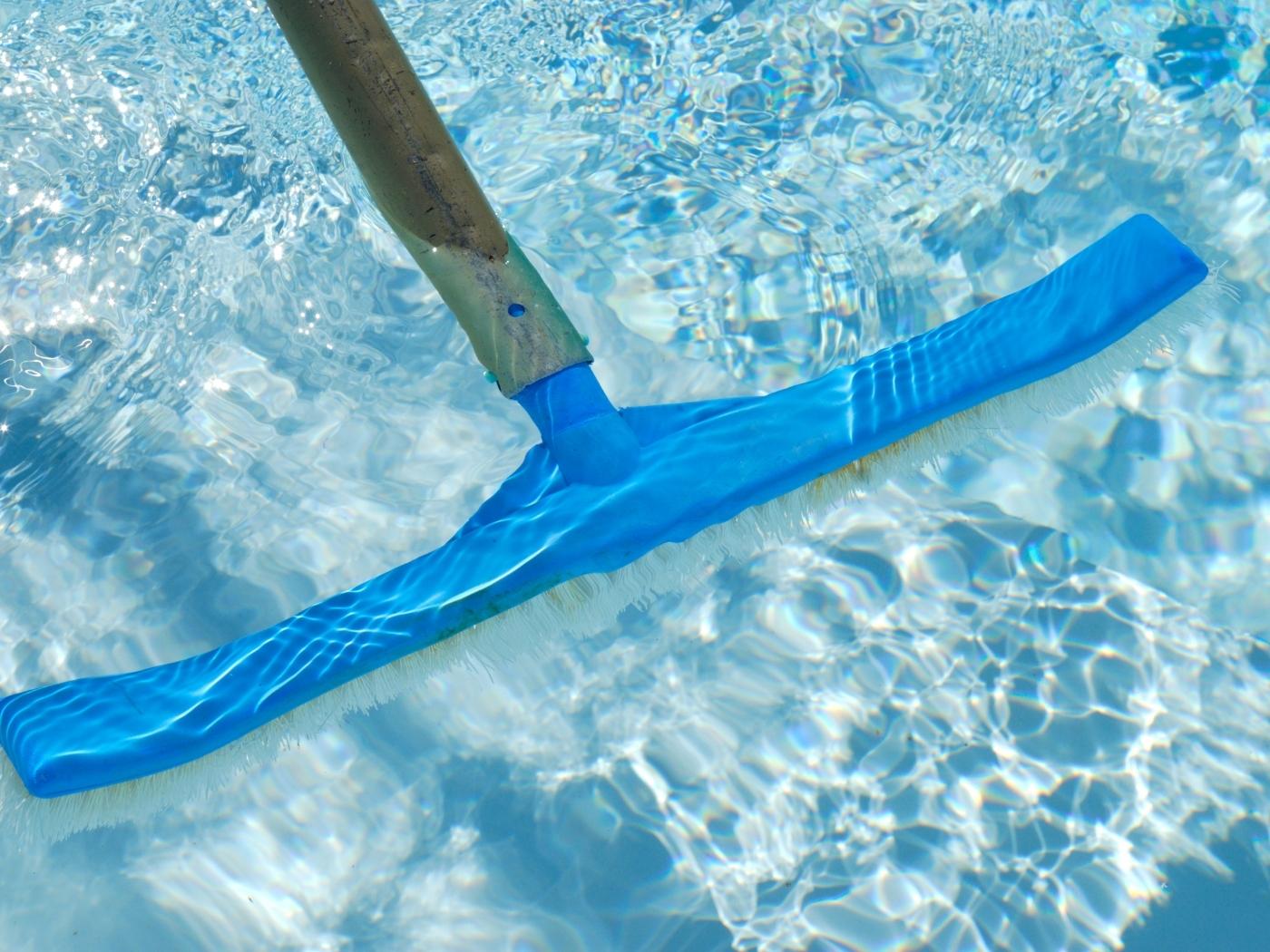
Homeowners in Grasslands want sparkling water for weekend gatherings but struggle with haze. Total alkalinity acts as a pH buffer and prevents wild swings. When alkalinity is correct, pH stays stable and chlorine works consistently. We adjust alkalinity first, then fine-tune pH for water that sparkles under Florida sun.
Stabilizer shields chlorine from UV breakdown so it lasts all day instead of burning off by noon. Without stabilizer, you add chlorine every morning and it's gone by afternoon. Proper levels keep chlorine active for days. We maintain stabilizer between 30 and 50 ppm for maximum protection without over-stabilization.
High stabilizer over 100 ppm is common in Lakeland due to excessive tablet use in strong sunlight. Tablets contain stabilizer, and it builds up over time. Too much stabilizer locks up chlorine and makes it useless. We test stabilizer levels and recommend partial drains when necessary. Balanced stabilizer and alkalinity create the crystal clear water that makes your pool inviting.
Contact Us
Frequently Asked Questions
How often should pool chemicals be tested in Lakeland?
Weekly during summer and bi-weekly in cooler months due to year-round use and heavy rainfall. Summer heat and storms change chemistry fast. Winter testing can stretch to every two weeks since UV intensity drops and rain decreases. We adjust testing frequency based on your pool's specific conditions and usage patterns.
Can I swim right after adding pool chemicals?
Wait 2 to 4 hours for circulation, then test that chlorine is below 5 ppm before swimming. Running your pump distributes chemicals evenly and prevents concentrated pockets. High chlorine above 5 ppm irritates skin and eyes. We confirm safe levels before giving the all-clear for swimming.
Why does my Lakeland pool turn green after rain?
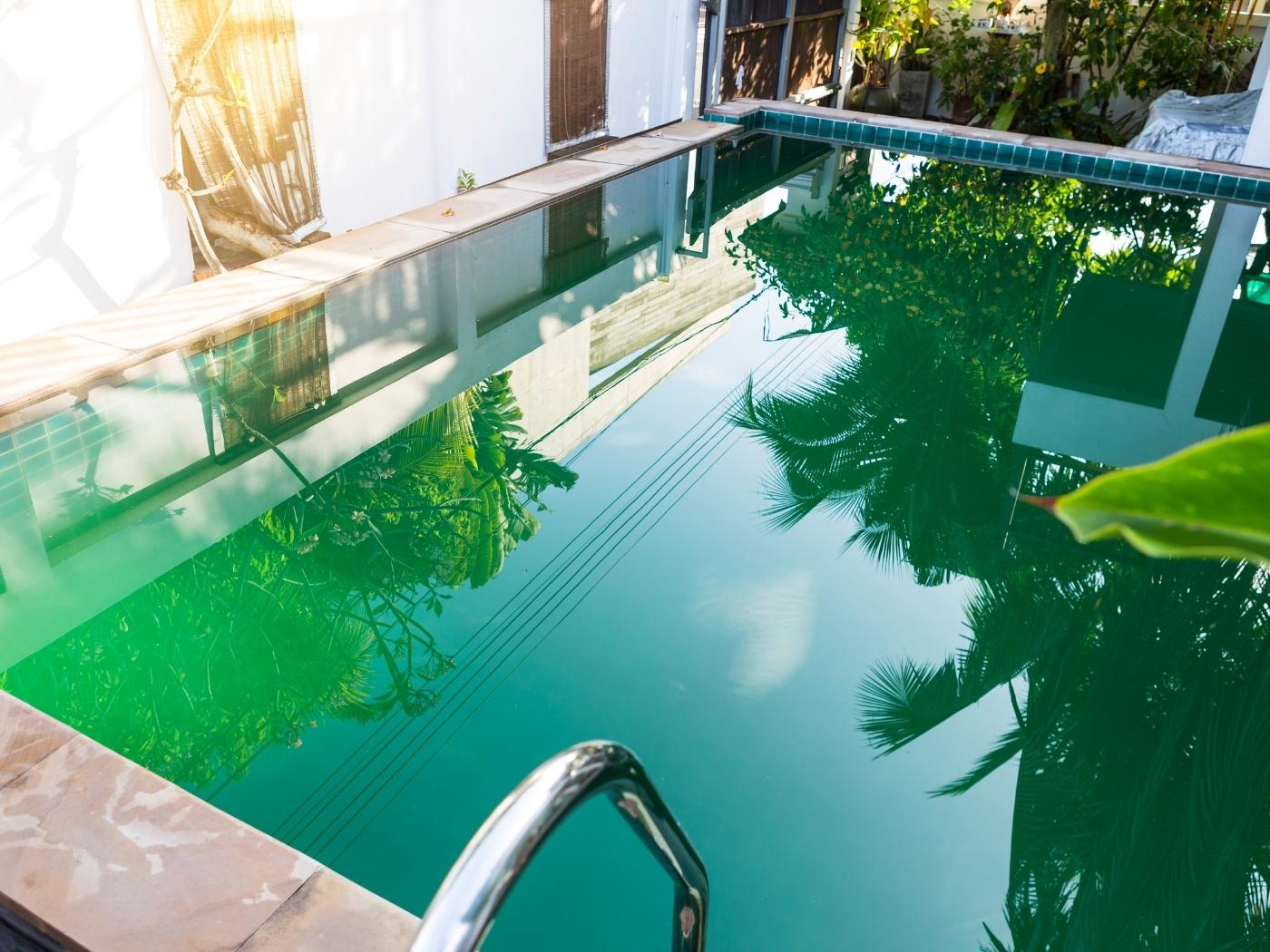
Rain dilutes chlorine and lowers pH, allowing algae to grow fast in warm Florida water. A 2-inch storm can drop chlorine from 3 ppm to under 1 ppm. Low sanitizer combined with warm temperatures creates ideal algae conditions. Green water shows up within 48 hours if chemistry isn't corrected immediately after storms.
What causes cloudy pool water in Florida?
Low chlorine, high pH, or poor filtration from debris brought by afternoon storms. When pH rises above 7.8, chlorine becomes inactive and can't sanitize properly. Storm debris clogs filters and reduces circulation. Cloudy water signals chemistry imbalance or equipment issues that need immediate attention.
Do I need stabilizer in my pool year-round?
Yes, Lakeland's strong sun breaks down chlorine daily and stabilizer protects it from UV rays. Even in winter, Florida sun is intense enough to burn off unprotected chlorine in hours. Stabilizer extends chlorine life and reduces how much sanitizer you need to add. We maintain proper stabilizer levels in every season.
How long after chemical balancing can kids swim safely?
Once chlorine is 1 to 3 ppm and pH is 7.4 to 7.6, typically within 4 hours of final treatment. We run pumps to circulate chemicals thoroughly and test levels before clearing the pool for use. Kids can swim safely as soon as chemistry reaches proper ranges. We send you a text confirmation when your pool is ready.

Reliable, professional pressure washing services for pristine results.


Copyright Kraken the Pressure 2026. All rights reserved