

Pool Brushing in Lakeland: Keep Your Pool Walls Clean & Algae-Free
In Lakeland, Florida's heat and humidity accelerate algae growth on pool walls and floors, creating slippery surfaces and cloudy water. We manually brush all surfaces: walls, steps, corners, tile line - removing biofilm and debris before it becomes a larger problem.
Your pool stays cleaner between services, chemicals work better, and surfaces remain smooth and safe. Homeowners preparing for weekend pool parties or managing stubborn algae in shaded Lakeland neighborhoods rely on regular brushing.
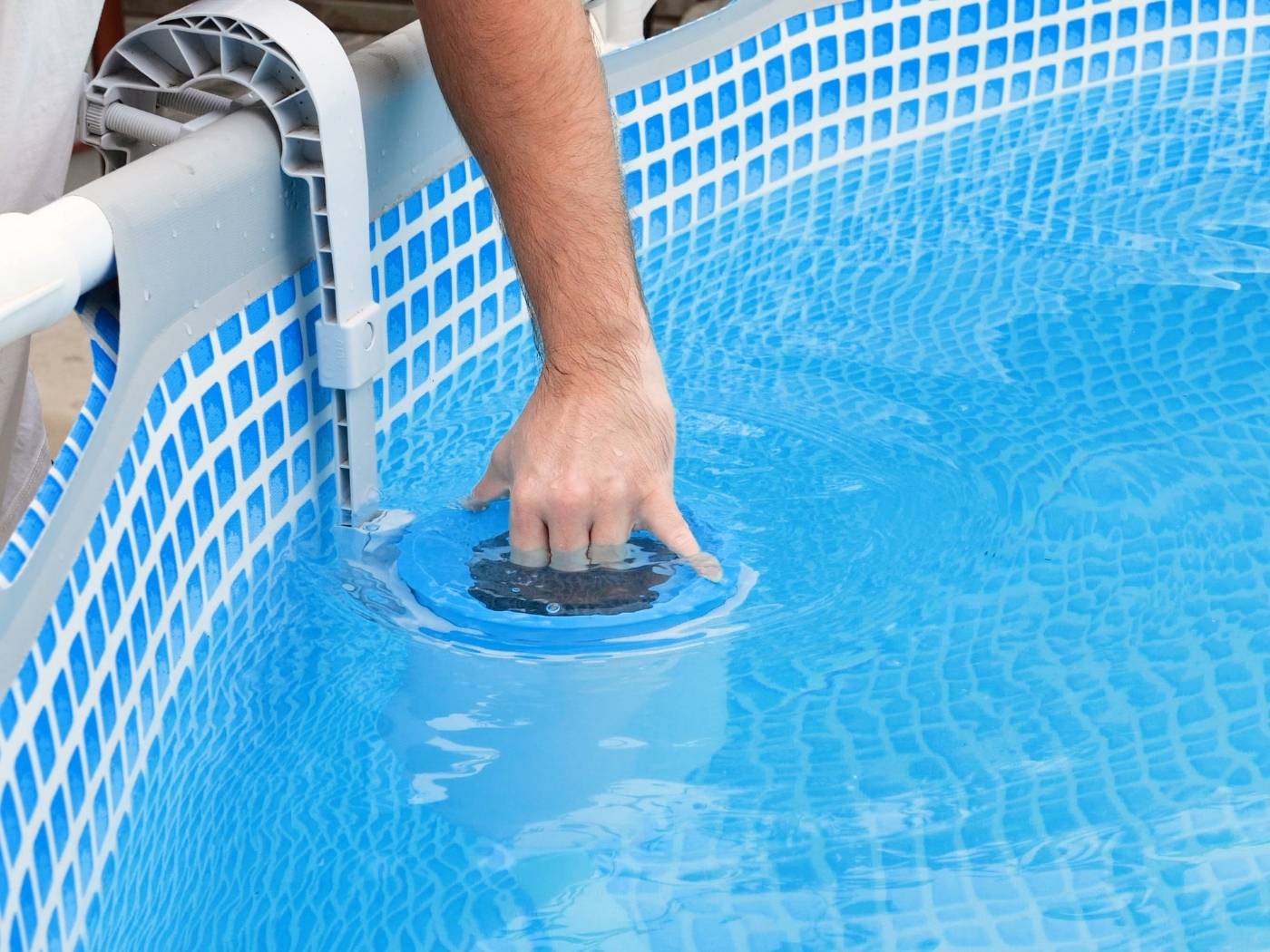
Regular Pool Brushing Prevents Algae Buildup in Lakeland Pools
Homeowners with screened enclosures or tree-shaded pools in neighborhoods like Lake Hollingsworth see faster algae growth on shaded walls. Brushing disrupts algae spores before they colonize, keeping water clear and reducing the need for extra chlorine treatments.
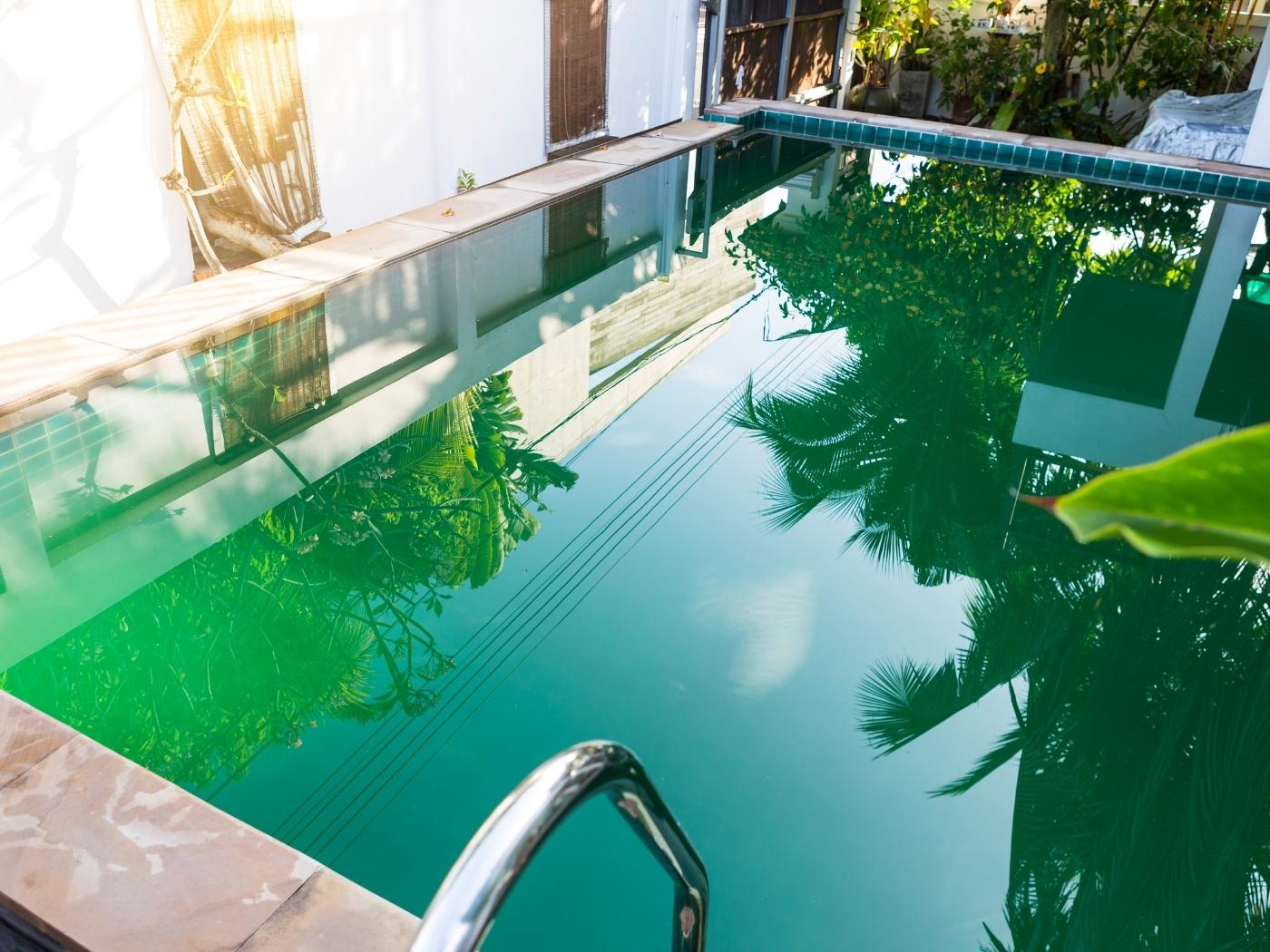
Lakeland's afternoon thunderstorms introduce phosphates and organic debris that feed algae. Brushing after storms prevents outbreaks. When you brush regularly, you stop algae before it takes hold and turns your pool green. Florida pools commonly deal with green, mustard, and black algae, each requiring different approaches. Learn more about identifying and treating different types of pool algae to keep your pool clean year-round.
How often should you brush a pool in Lakeland, Florida?
Pool brushing in Lakeland should happen at least once per week due to Florida's warm, humid climate that promotes algae growth. Brushing removes biofilm, dirt, and early algae before they bond to surfaces.
Brush walls, steps, and corners where debris settles
Increase to twice weekly during summer heat or after heavy rain
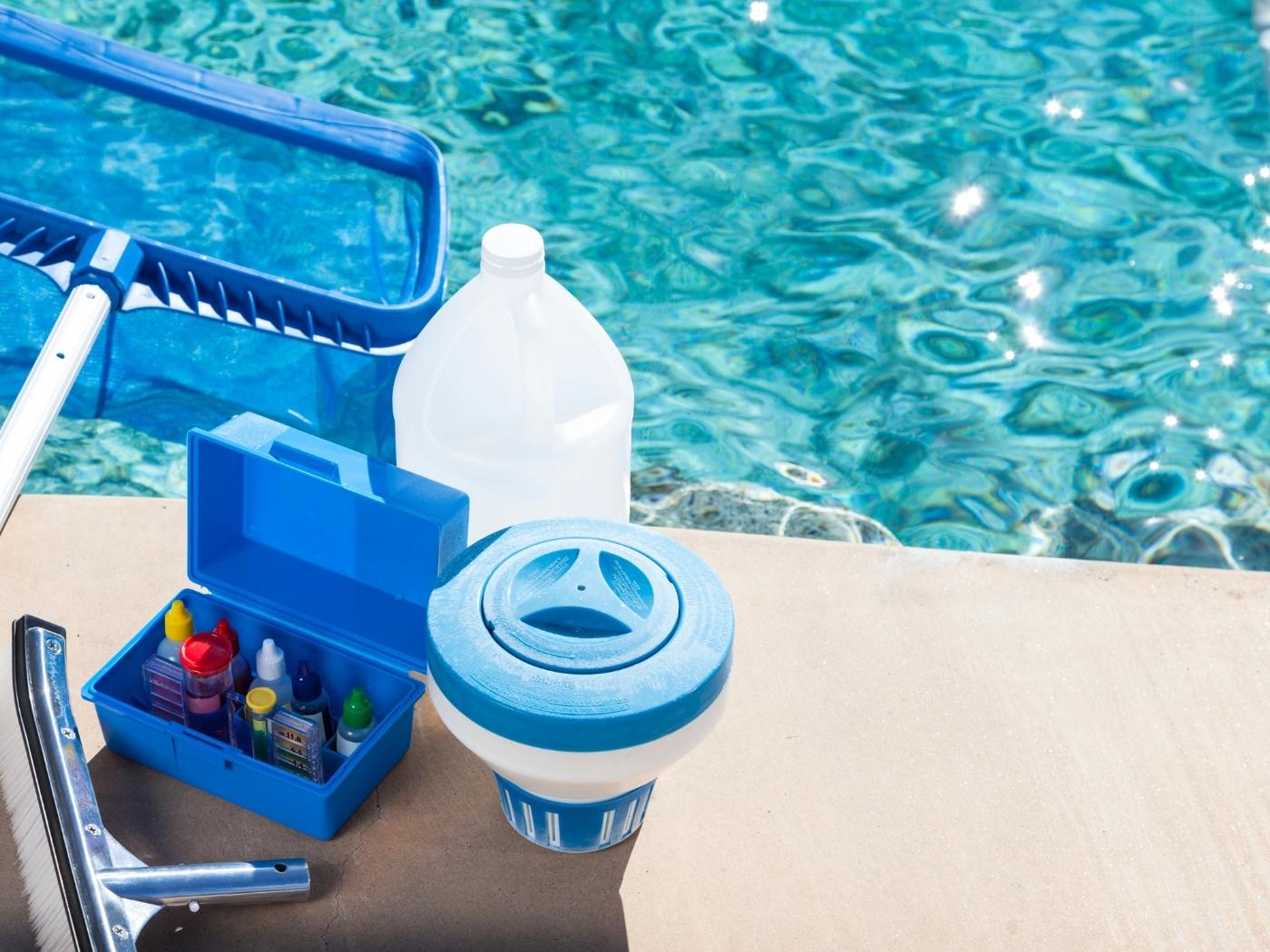
Always brush before adding shock treatment for better chemical contact
Weekly brushing prevents staining, reduces chemical usage, and keeps surfaces smooth and safe for swimmers.
Let's Begin Your New Pool Cleaning Project with Us
Start your next project with us and experience top-tier pool cleaning that revitalizes your property!
Brushing Pool Surfaces Before Shocking Makes Chemicals More Effective
Pool owners preparing for shock treatment after high swimmer load or visible algae need brushing first to maximize results. Brushing exposes algae and contaminants hidden in surface pores, allowing shock to penetrate and kill organisms faster.
Florida's high UV exposure degrades chlorine quickly. Proper brushing before shocking means your treatments work the first time without waste. You save money on chemicals and get clearer water sooner.
What People Are Saying

Very professional and excellent work. Cleaned what I never thought would get cleaned again. Very reasonable.

Lori Stevens
Juvenile Probation Officer
It was so easy to schedule the cleaning. Steven was on time and worked very efficiently cleaning my paver lanai floor as well as my spouting. Very pleased with the outcome and the pricing. He is very attentive to any specific concerns or issues you need addressed. I highly recommend him!

Judy Dammeyer
Lawyer Clerk
Best power wash I have ever had. Took care of algae problem. Will not hesitate to hire him again!

Carolyn Brennan
Retired
Manual Brushing Removes What Automatic Pool Vacuums Miss
Homes relying only on robotic cleaners often develop grime on steps, behind ladders, and along the waterline that vacuums can't reach. Hand brushing targets tight corners, textured surfaces, and vertical walls where dirt and oils accumulate despite automated cleaning.
Lakeland's hard water leaves calcium deposits on tile lines that require stiff-bristle brushing, not just vacuum suction. Your automatic cleaner handles the floor well, but walls and steps need manual attention to stay truly clean.
Proper Pool Brushing Technique Protects Your Plaster and Tile
Owners of older plaster pools or custom tile work need careful brushing to avoid surface damage while still removing buildup. Using the correct brush type, nylon for vinyl or fiberglass, stainless steel for plaster, and overlapping strokes cleans thoroughly without scratching or etching.
Florida sun and pool chemicals weaken plaster over time. Gentle, consistent brushing prevents premature surface deterioration. The right technique keeps your pool beautiful for years longer.
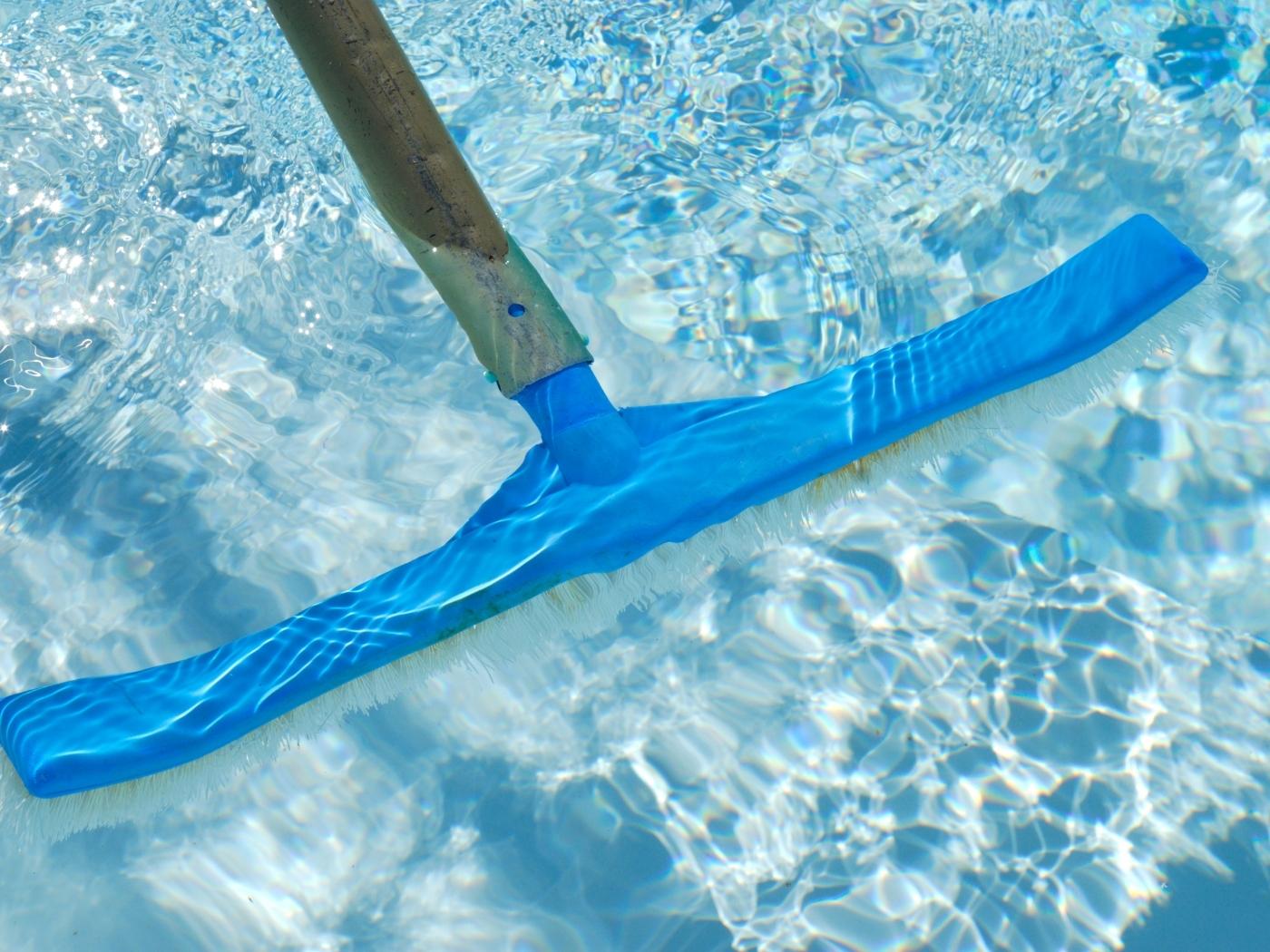
Weekly Brushing Keeps Lakeland Pool Walls Clean Between Services
Families using pools daily in summer or hosting frequent gatherings need ongoing maintenance between professional cleaning visits. A weekly brush routine prevents dirt from hardening, keeps chemicals balanced, and extends time between deep cleans.
Lakeland neighborhoods near construction sites or unpaved roads see more airborne dust settle in pools. Weekly brushing becomes even more important in these areas. Regular attention means your pool stays inviting all season long.
Contact Us
Frequently Asked Questions
How often should I brush my pool in Lakeland, Florida?
Once per week minimum; twice weekly during summer or after storms when algae grows faster.
What happens if you don't brush your pool walls regularly?
Algae bonds to surfaces, causing stains, cloudy water, and higher chemical costs to fix the problem later.
Should I brush before or after vacuuming my Lakeland pool?
Brush first to loosen debris from walls and steps, then vacuum to remove the settled particles from the floor.
Can pool brushing remove black algae spots in Florida pools?
Brushing alone won't eliminate black algae; it requires brushing plus targeted chemical treatment and professional scrubbing.
Do I need to brush my pool if I have an automatic cleaner?
Yes, automatic cleaners miss walls, steps, corners, and the tile line where algae and oils collect.
What type of brush works best for Lakeland pool surfaces?
Nylon brushes for vinyl or fiberglass; stainless steel brushes for concrete or plaster pools.

Reliable, professional pressure washing services for pristine results.


Copyright Kraken the Pressure 2026. All rights reserved