
Kraken the Pressure: Detail, Care & Curb Appeal
Kraken the Pressure, LLC
Rust Stain Removal: Why Your Irrigation System is Turning Your Driveway Orange
Rust Stain Removal: Why Your Irrigation System is Turning Your Driveway Orange
![[HERO] Rust Stain Removal: Why Your Irrigation System is Turning Your Driveway Orange](https://cdn.marblism.com/kIj5YDIqioC.webp "[HERO] Rust Stain Removal: Why Your Irrigation System is Turning Your Driveway Orange")
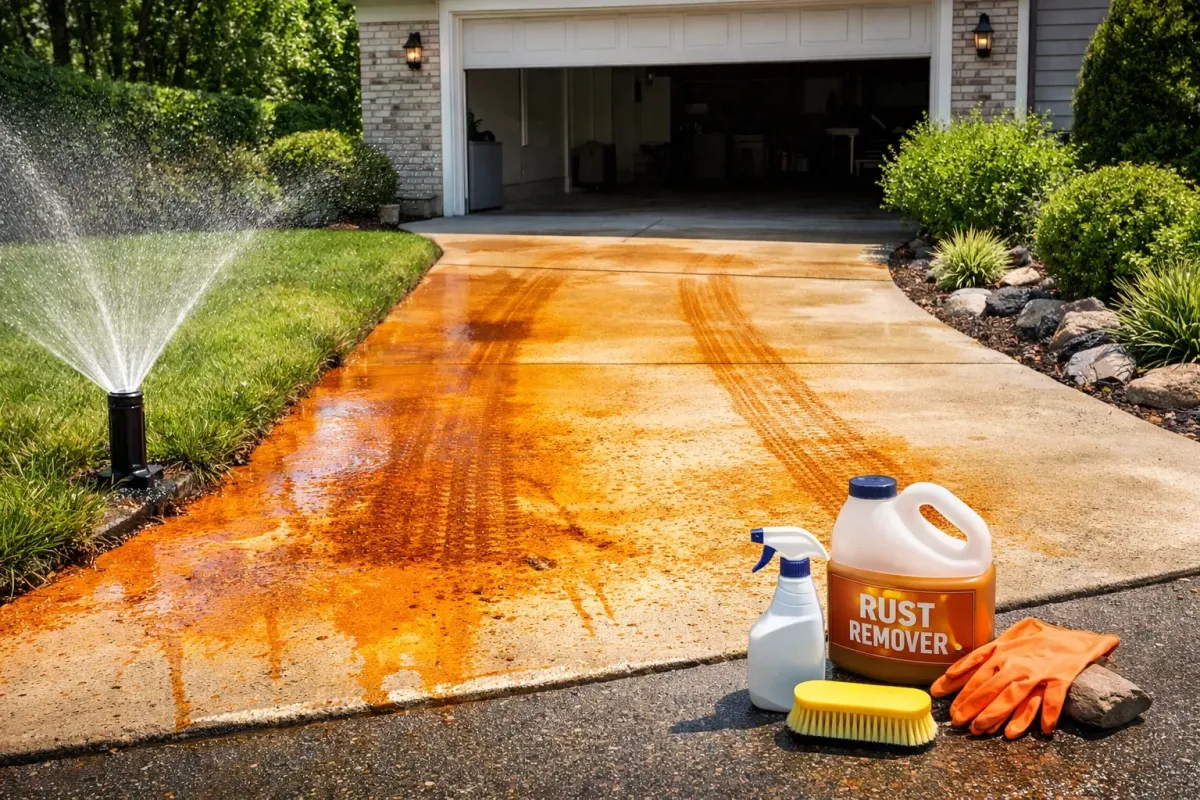
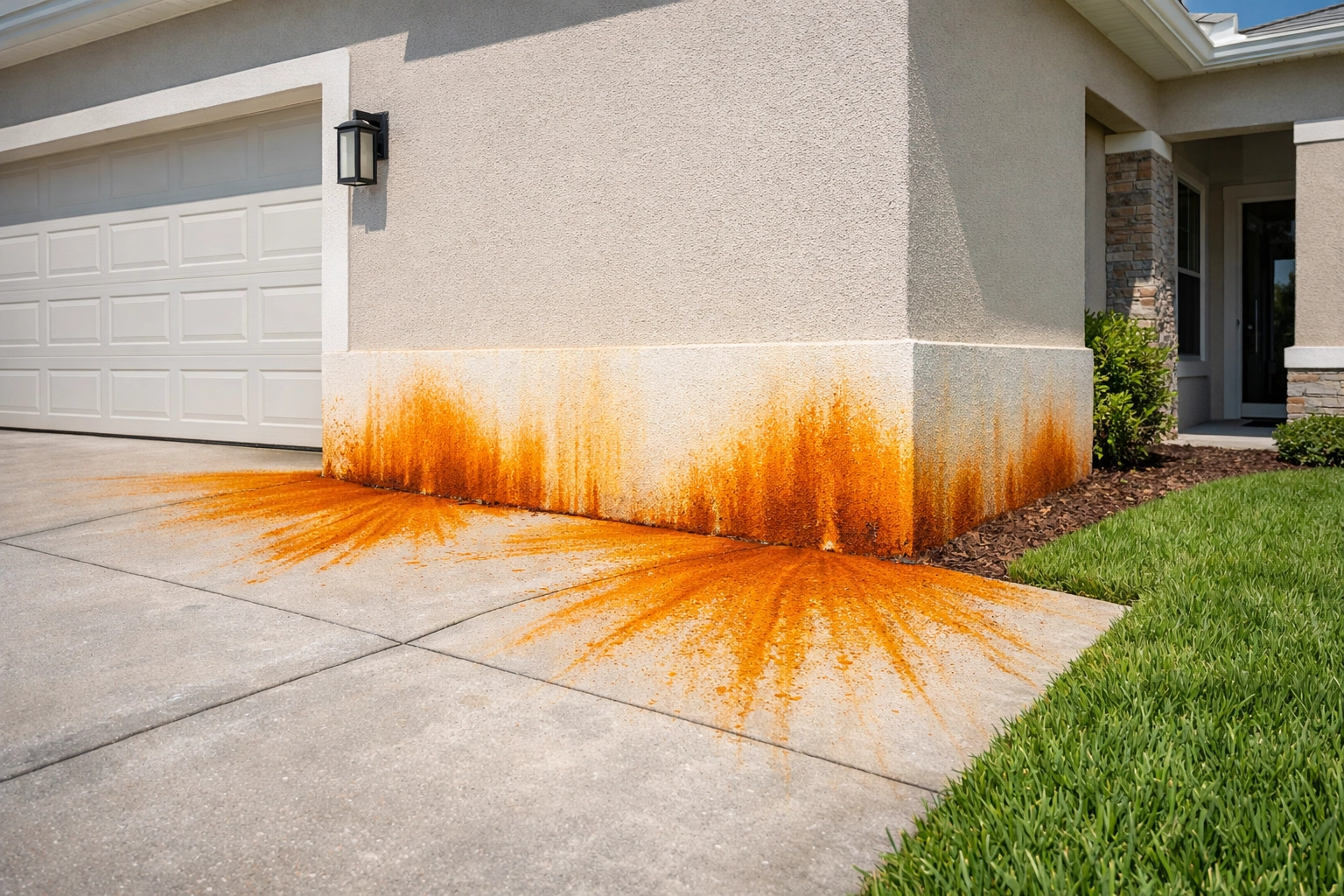
If your driveway, sidewalks, or the lower two feet of your home's siding have developed a stubborn, orange-brown tint, your irrigation system is the cause. These are not typical dirt stains that can be rinsed away with a garden hose. In Lakeland and across Central Florida, these orange discolorations are the result of high iron content in the local water table, particularly for properties pulling water from shallow wells.
At Kraken The Pressure, we handle these specific stains daily. This isn't a job for standard high-pressure washing, which often fails to remove the chemical bond of rust and can actually damage your concrete. We use a professional-grade chemical restoration process that neutralizes the iron and restores the surface to its original state.
The Chemistry of Why Your Driveway is Turning Orange
Florida’s geology is rich in minerals, and iron is one of the most prevalent. When you use an irrigation system supplied by well water, you are spraying liquid iron directly onto your porous exterior surfaces.
This process involves three specific stages:
Extraction: Your well pump draws water from the aquifer. In many parts of Central Florida, this water contains high concentrations of ferrous iron (clear-water iron).
Oxidation: As soon as that water hits the air and lands on your driveway, the iron reacts with oxygen. This chemical reaction creates ferric oxide, more commonly known as rust.
Absorption: Concrete, brick, and even some types of stone are naturally porous. They act like a sponge, pulling the oxidized iron deep into the surface pores where it becomes a permanent stain.
If you ignore these stains, they don't just stay on the surface. They build up layer by layer, eventually creating a thick, crusty residue that can lead to permanent etching of your concrete.
Why Standard Pressure Washing Fails to Remove Rust
Many homeowners attempt to solve this problem by renting a high-PSI pressure washer or using a basic surface cleaner. This is a mistake for two reasons.
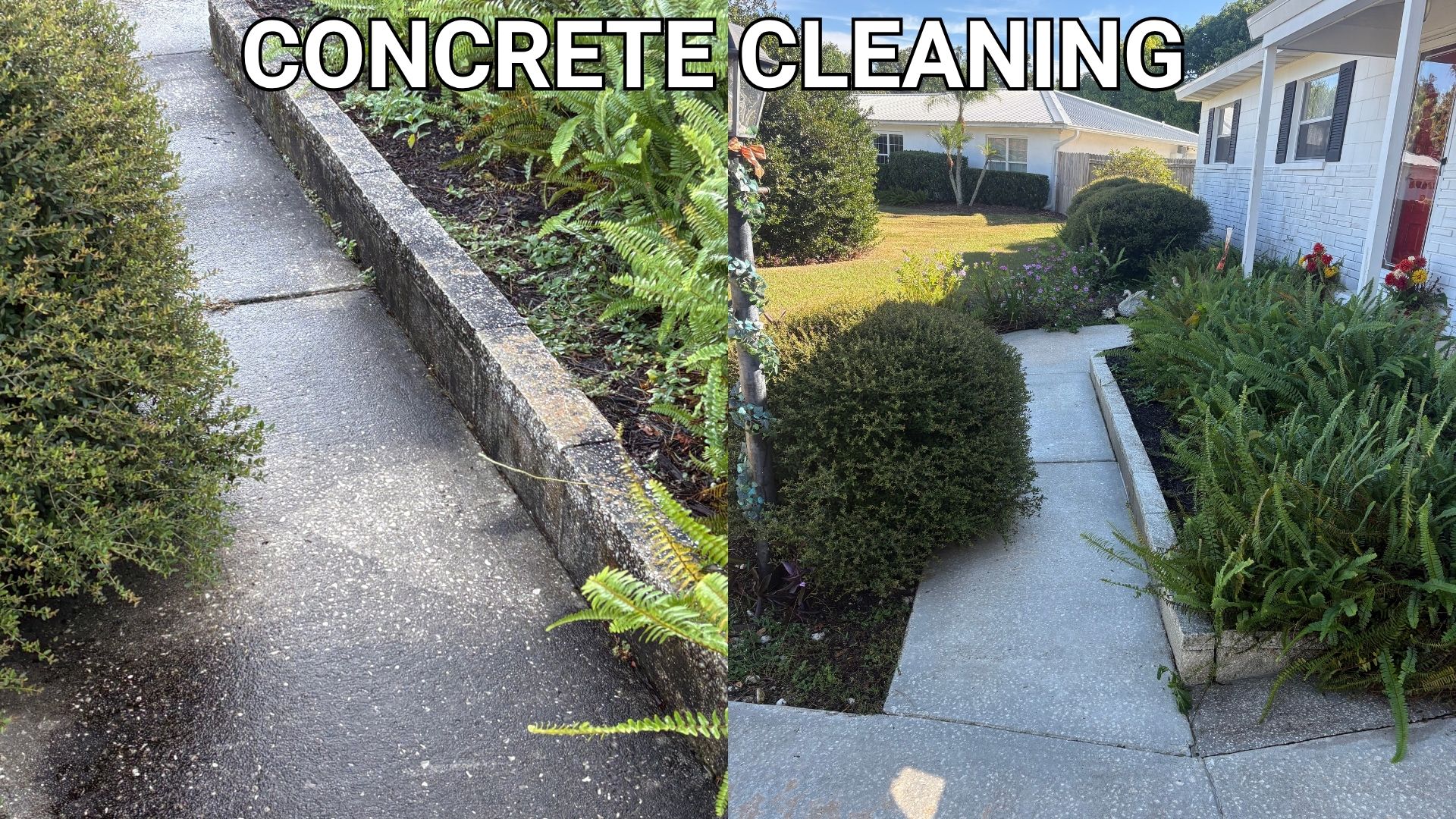
First, rust is a chemical stain, not a surface-level organic growth like algae or mold. High pressure only removes the very top layer of the stain. Because the iron has penetrated the pores of the concrete, the orange tint remains visible even after the surface has been "cleaned."
Second, excessive pressure is dangerous for your property. Blasting a concrete driveway with 4,000 PSI to try and "force" the rust out can lead to:
Surface Scarring: Permanent "wand marks" etched into the cream layer of the concrete.
Exposed Aggregate: Stripping away the smooth top finish to reveal the rocks and pebbles underneath.
Siding Damage: High pressure can blow through the oxidation layer on vinyl siding or force water behind the panels, leading to interior mold issues.
Instead of force, Kraken The Pressure uses chemistry. We apply specialized rust removers, specifically chelating agents, that break the bond between the iron and the substrate. This allows the rust to be rinsed away safely without the need for destructive pressure levels.
The Impact on Curb Appeal and Property Value
Curb appeal is a measurable asset. In the Lakeland real estate market, first impressions are formed from the street. Orange-stained driveways and rust-streaked siding signal a lack of maintenance to neighbors, HOAs, and potential buyers.
If you live in a deed-restricted community, these stains often trigger HOA violation letters. Most HOAs in Central Florida give homeowners a 14-to-30-day window to correct the issue before fines begin. Rust is particularly problematic because it looks "dirty" even if the rest of your landscaping is pristine.
Protecting your surfaces is also a matter of long-term investment. While driveway cleaning in Lakeland is an aesthetic service, it is also a protective one. The mineral buildup from irrigation can eventually weaken the structural integrity of your pavers or concrete by clogging the pores and preventing the material from "breathing" during Florida's extreme heat cycles.
The Kraken The Pressure Professional Solution
We do not believe in a one-size-fits-all approach to exterior cleaning. Rust removal requires a distinct protocol separate from our standard house washing or roof washing services.
Our process involves:
Surface Assessment: We identify the type of iron staining and the substrate material (concrete, brick, vinyl, or stone) to determine the correct chemical concentration.
Pre-Wetting: We saturate surrounding vegetation and the target surface to ensure the cleaning agents only work where they are intended.
Chemical Application: We apply a professional-grade rust neutralizer. You will often see the orange stains disappear or change color instantly as the chemical reaction occurs.
Low-Pressure Rinse: Once the rust is neutralized, we use a high-volume, low-pressure rinse to remove the residue.
Neutralization: We ensure the pH balance of the surface is restored, leaving your driveway safe for pets and children.
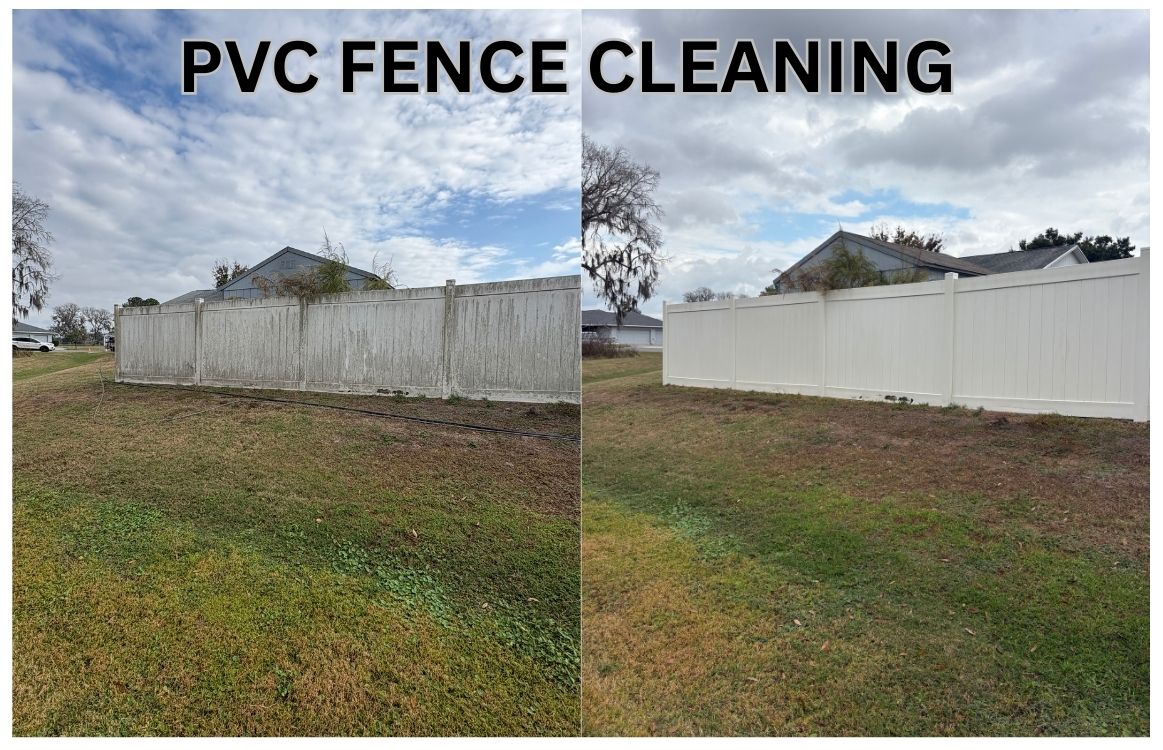
This method is effective not only on driveways but also on fences and retaining walls. If your PVC fence has turned yellow or orange near the ground, our fence cleaning methods can restore that factory-white finish.
Prevention: How to Stop the Orange from Returning
Once we have removed the stains, the clock starts ticking again as long as your irrigation system is running. To prevent the rapid return of orange stains, we recommend three specific actions:
1. Adjust Your Sprinkler Heads
The most common cause of rust stains is "overspray." If your sprinkler heads are misaligned, they may be spraying directly onto your driveway, sidewalk, or house. Adjusting the arc and distance of your heads can significantly reduce the amount of iron water hitting your hardscapes.
2. Install an Iron Filtration System
For a long-term fix, consider an iron filtration or sequestration system for your irrigation line. These systems use a chemical tank (often containing a product like Rid-O-Rust) that injects a small amount of neutralizer into the water before it leaves the sprinkler head. This prevents the iron from oxidizing on your surfaces.
3. Schedule Regular Maintenance
In Central Florida, even with adjusted heads, some staining is inevitable due to wind and mist. Scheduling a professional cleaning every 12 to 18 months ensures the iron never builds up to the point of causing permanent damage.
Frequently Asked Questions About Rust Removal
Can I use muriatic acid to clean the rust myself?
No. While muriatic acid is sometimes used by professionals in extreme cases, it is highly dangerous to handle and can easily eat through the top layer of your concrete, leaving it rough and prone to further staining.
Will the chemicals kill my grass?
Not when applied correctly. We use a heavy pre-soak and post-rinse method that dilutes the cleaning agents. Our team is trained to protect your landscaping during every step of the process.
How long does the process take?
Most residential rust removal jobs for driveways and siding can be completed in 2 to 4 hours, depending on the severity of the stains and the size of the area.
Does this work on rust from fertilizer?
Yes. Fertilizer pellets often contain iron that leaves small, concentrated orange spots on concrete. Our chemical restoration process handles these stains just as effectively as irrigation rust.
Contact Your Lakeland Rust Removal Experts
Don't let orange stains ruin your home's appearance or risk damaging your surfaces with improper pressure washing techniques. Whether you are dealing with a "love letter" from your HOA or just want to restore your home's curb appeal, Kraken The Pressure has the professional tools and expertise to handle the job safely.
We serve Lakeland and the surrounding Central Florida areas. Visit our blog for more tips on maintaining your home's exterior or contact us today to schedule your service.
Your driveway can look like new again. Book your cleaning today.
Reliable, professional pressure washing services for pristine results.

